Position 09 / 64
The Swing
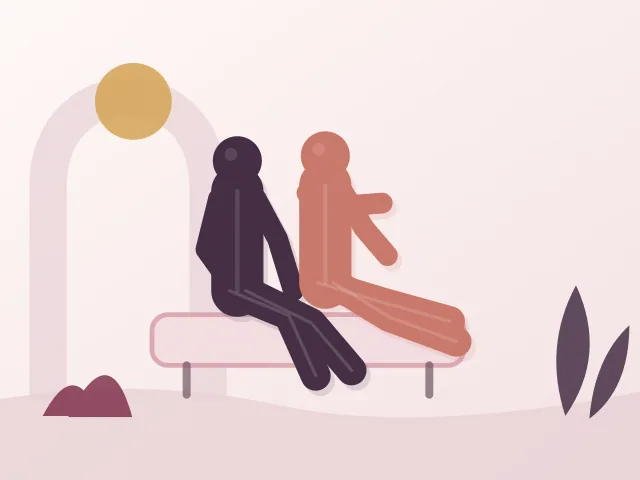
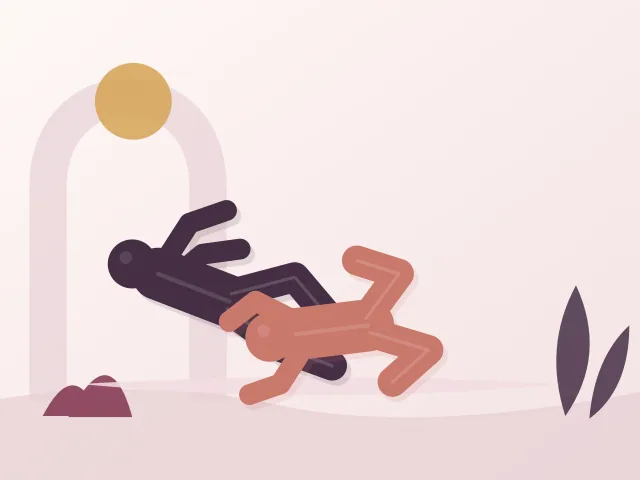
A dynamic position where partners swing rhythmically, creating a sensation of movement.
The Swing Position: Complete Guide
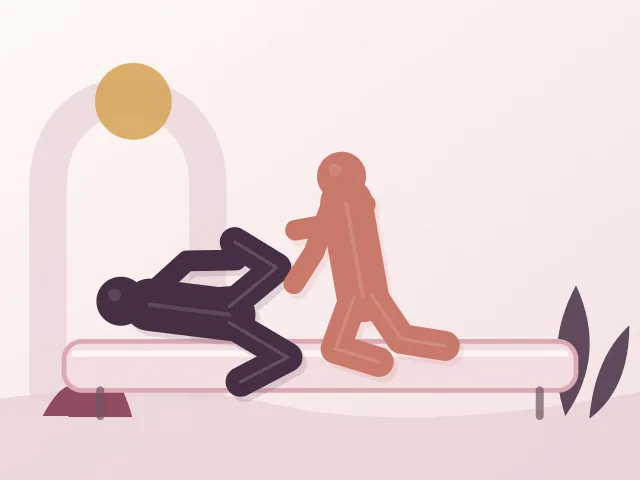
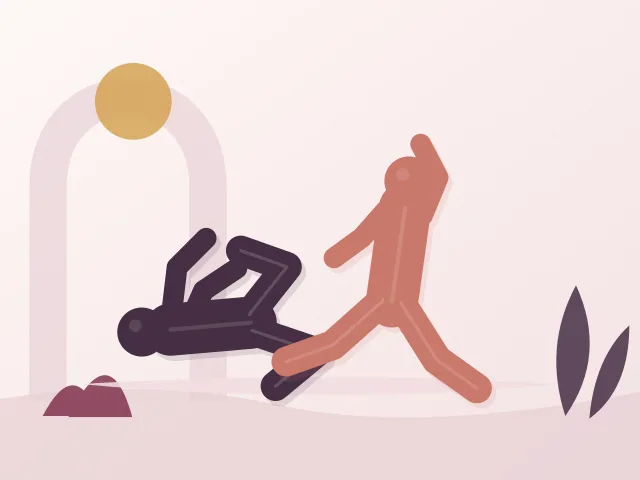
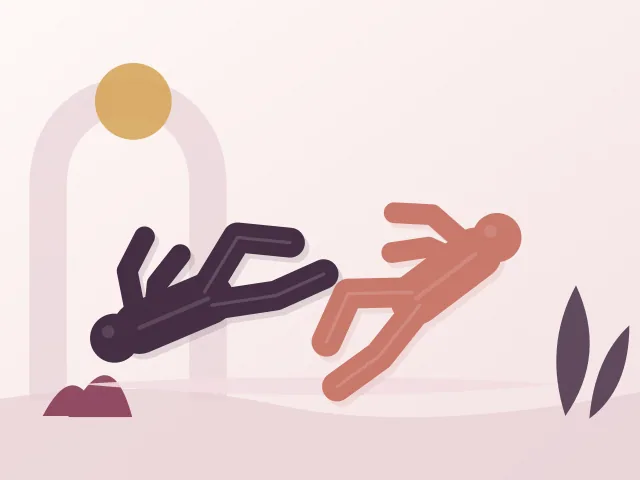
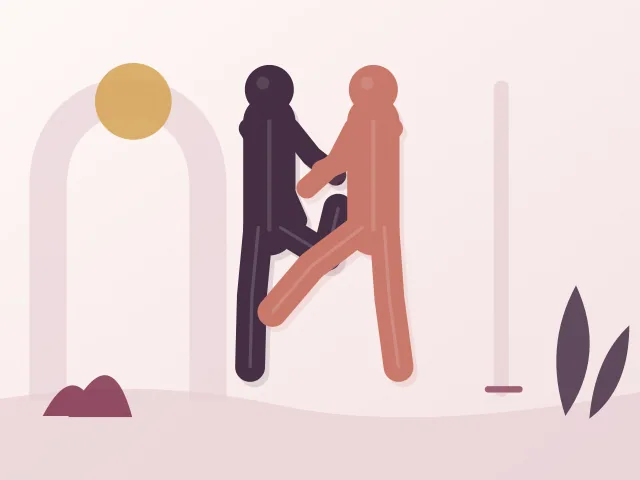
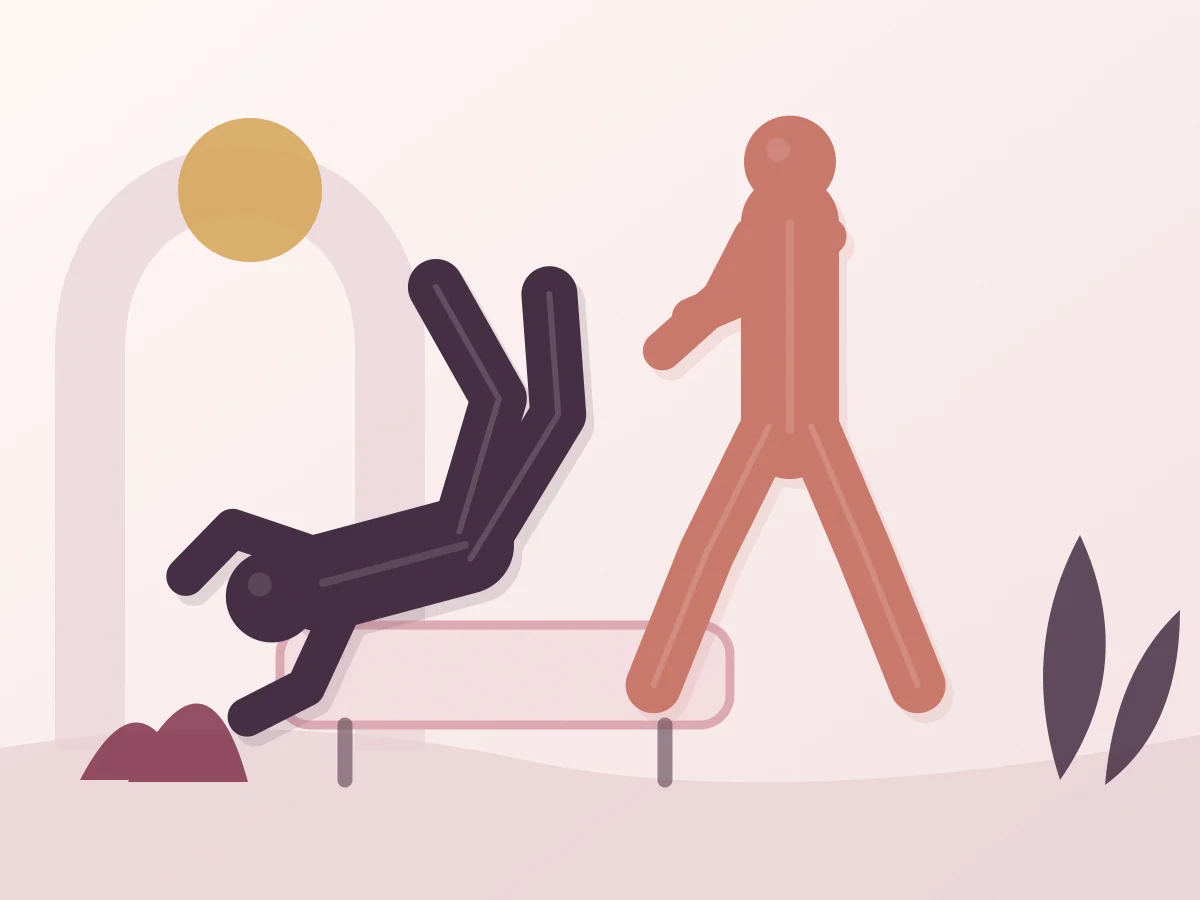
The Swing position is a sexual position from the Kamasutra that combines balance and intense sensations. One partner is suspended and supported by the other, creating a smooth back-and-forth motion that is both dynamic and stimulating.
Advantages
- Allows for deep penetration with natural rhythm control.
- Creates sensations of levitation and lightness.
- Adds an acrobatic and exciting dimension to intimacy.
- Encourages a dominance and submission play dynamic.
Disadvantages
- Requires a certain level of physical strength from the supporting partner.
- Can be difficult to perform without proper support (swing, hammock, or adapted structure).
- Demands good balance and coordination.
Tips for Variation
- Use a hammock or swing for greater stability.
- Experiment with different heights to adjust the penetration angle.
- Alternate between slow movements and rapid swings to vary sensations.
History
The Swing position is inspired by ancient practices where partners used ropes or suspended structures to enhance pleasure. Described in the Kamasutra, it is associated with the pursuit of lightness and new sensations.
Understanding the posture
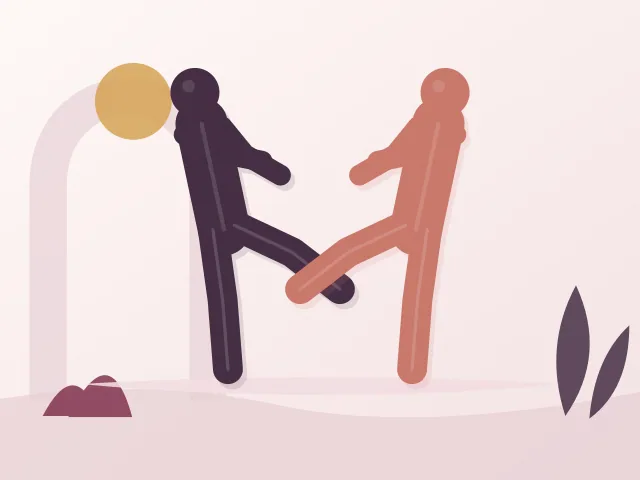
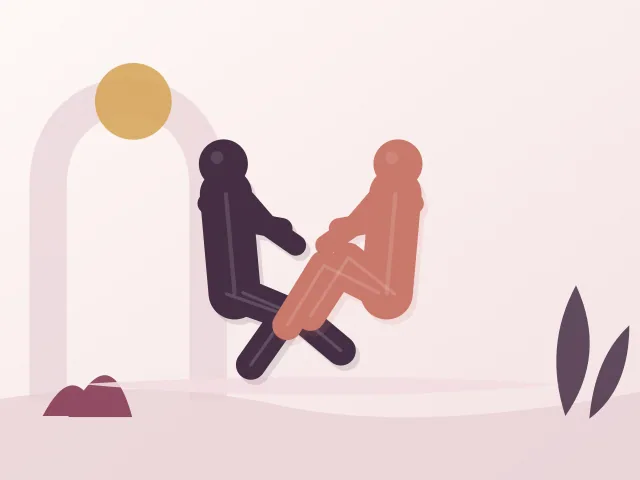
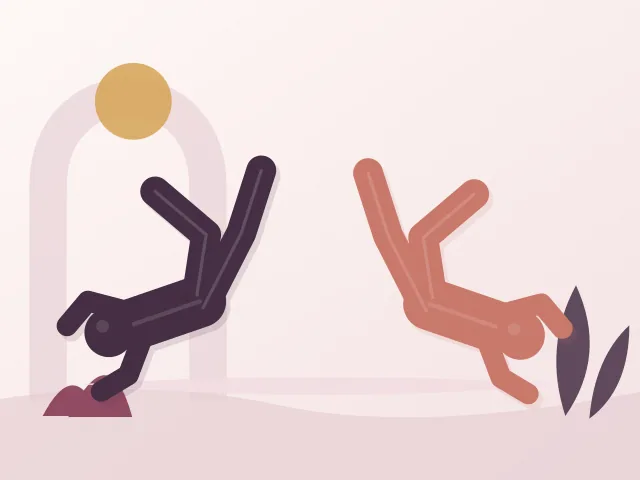
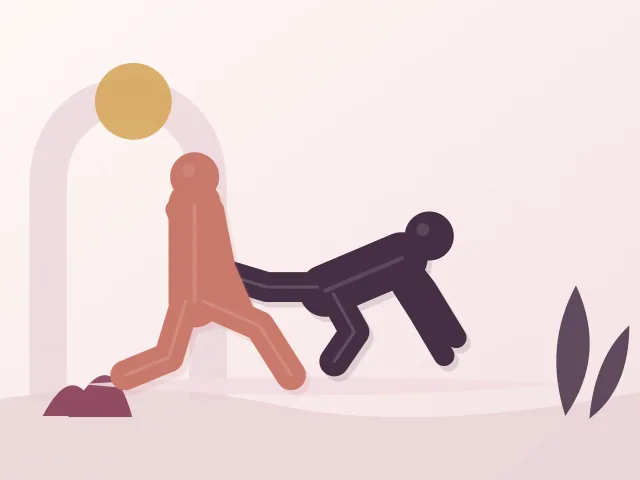
The Swing relies on shared balance and suits partners who are confident in their support and coordination. In this guide, “The Swing” describes a body arrangement, not a performance target. Body shape, mobility and personal preferences matter more than copying an image exactly.
Step-by-step setup
Identify two independent points of support and add load gradually. This family of postures should never rely on arm strength alone.
- Agree who will guide the pace and choose an immediate stop signal.
- Enter the posture slowly, without jolting or forcing a joint.
- Begin with a small range and adjust only while both partners remain relaxed.
- Choose a chair without wheels, place it against a wall and check its load rating.
Comfort and communication
Held breath, unusual tension or numbness are cues to slow down, change support or stop. A cushion and a new angle are often more useful than extra effort.
Consent is specific, enthusiastic and reversible at any time. A posture accepted at the start can be stopped without explanation.
- Decide where hands will rest before moving and never pull on the neck or joints.
Adapt and simplify
This is an advanced posture. Prefer a floor-level variation, keep attempts short and stop if any support feels uncertain.
To vary the posture without losing control, change one parameter at a time: direction, height, leg opening or support.
Name and context
“The Swing” is used here as a modern editorial label. Names and drawings vary widely between contemporary books; this guide does not claim that this exact form belongs to a canonical Kamasutra passage.
Sources and context
Modern position names vary between publishers. This collection uses descriptive labels and does not claim to reproduce a canonical catalogue from the Sanskrit text.
- World Health Organization — Sexual health
- Planned Parenthood — Sexual consent
- Vātsyāyana, Kamasutra, traduction Wendy Doniger et Sudhir Kakar, Oxford University Press, 2002.