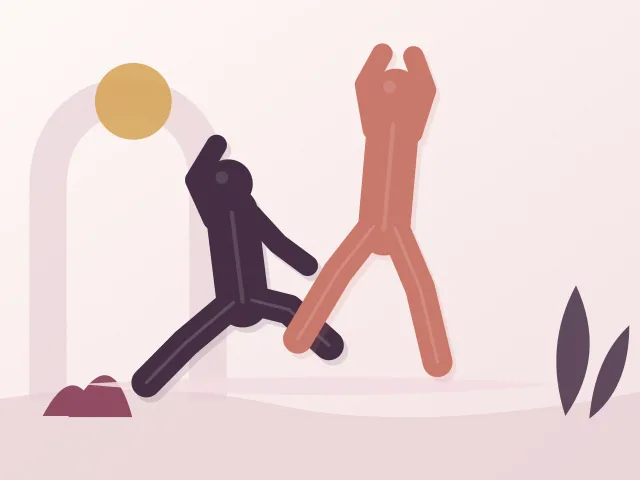
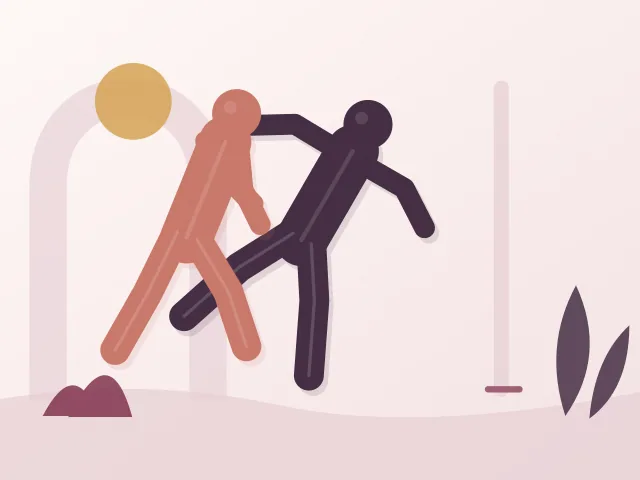
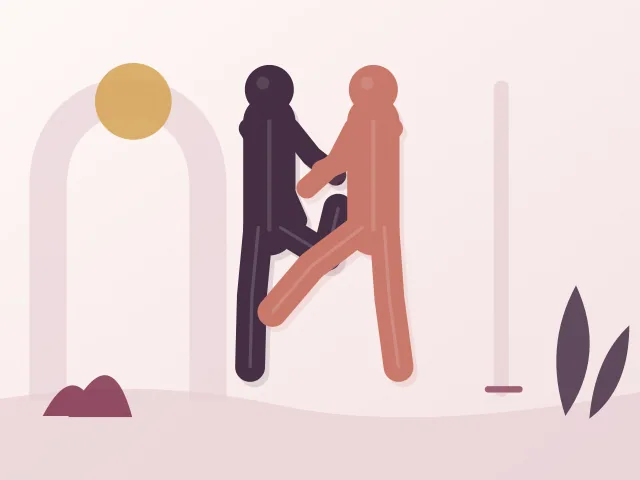
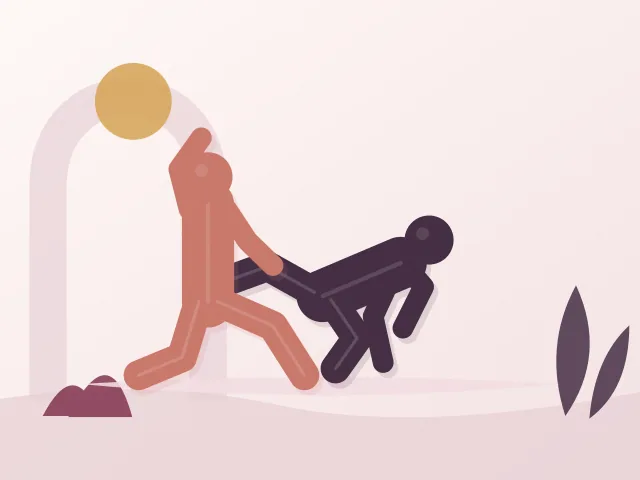
Position 11 / 64
The Butterfly
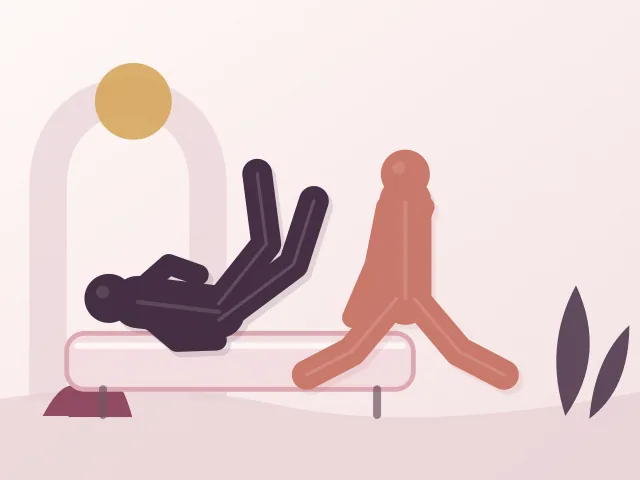
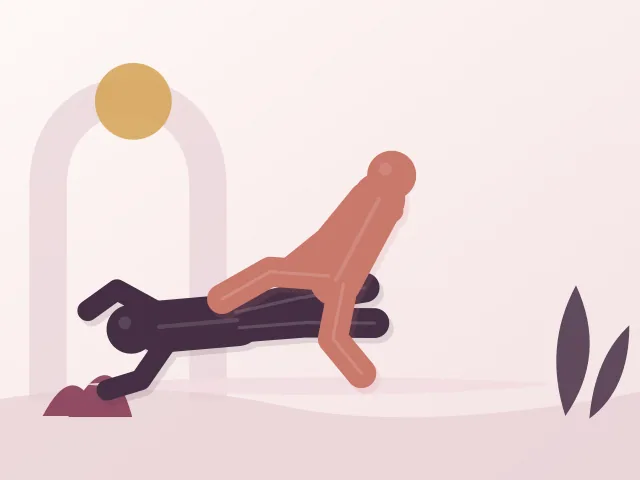
A position where the woman's legs are extended and spread, resembling butterfly wings.
The Butterfly Position: Complete Guide
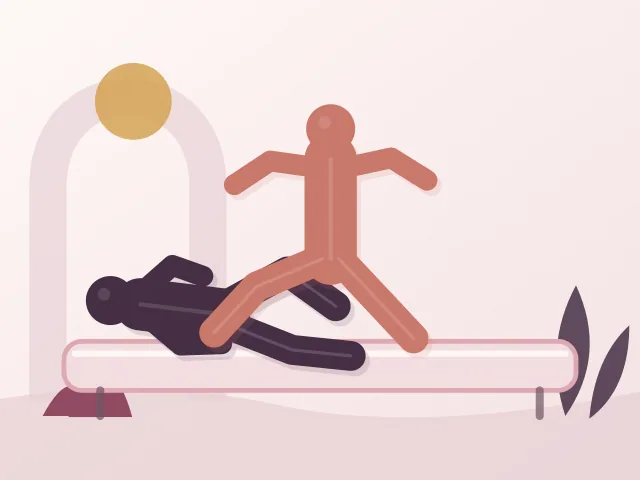
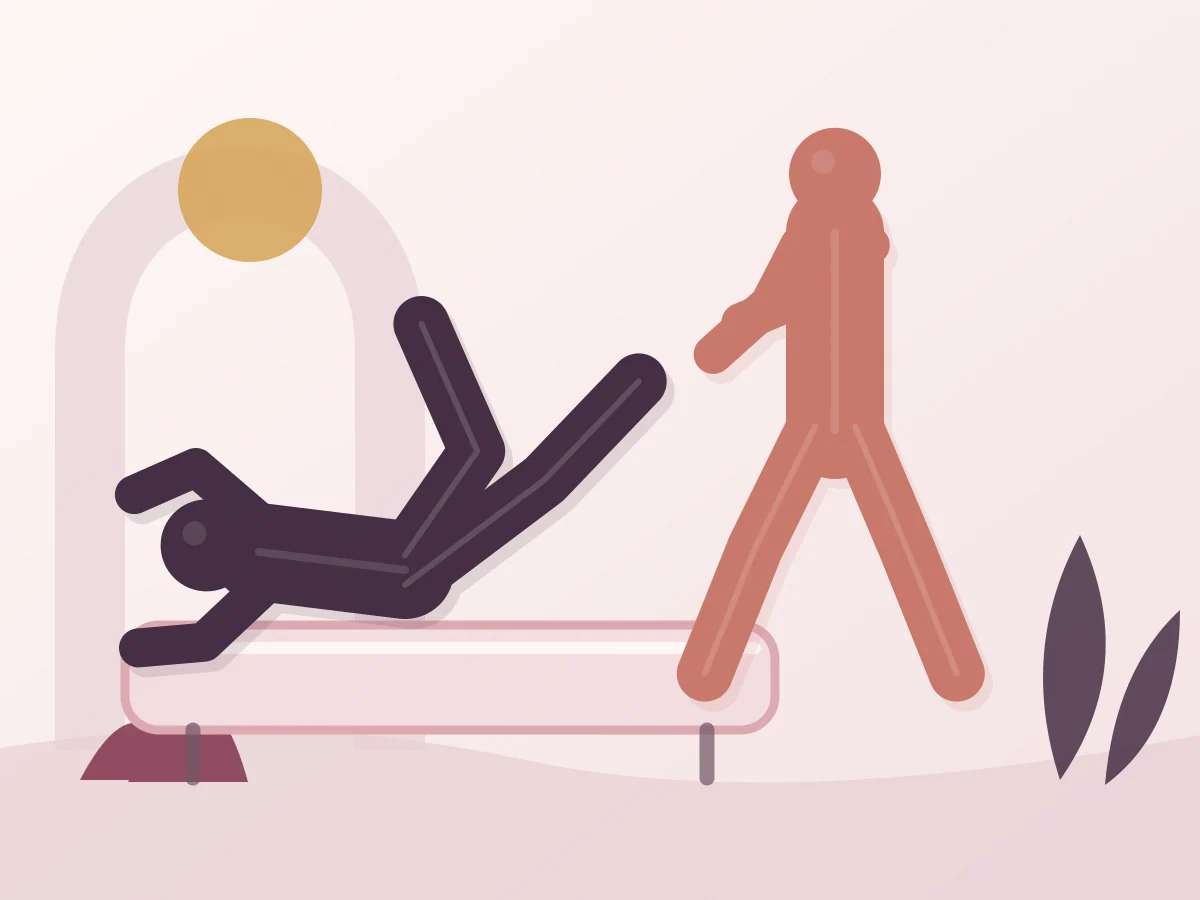
The Butterfly position is a sexual position from the Kamasutra that offers excellent rhythm control and intense stimulation. One partner lies on their back at the edge of the bed while the other stands or kneels in front, lifting their legs slightly.
Advantages
- Allows for deep penetration due to the natural angle.
- Enhances G-spot and cervical stimulation.
- Provides great freedom of movement for the active partner.
- Comfortable position that allows for easy rhythm variation.
Disadvantages
- Requires good leg support to avoid discomfort.
- Can be tiring if one partner has to support the other’s weight.
- Less eye contact depending on the chosen angle.
Tips for Variation
- Use a pillow under the hips to improve the penetration angle.
- Alternate between slow and fast movements to intensify sensations.
- Experiment with caresses and additional stimulation to enrich the experience.
History
The Butterfly position is a classic variation from the Kamasutra, known for its sensuality and effectiveness in creating shared pleasure. Its name evokes the opening of the legs, resembling butterfly wings, allowing for easy access and a wide range of sensations.
Understanding the posture
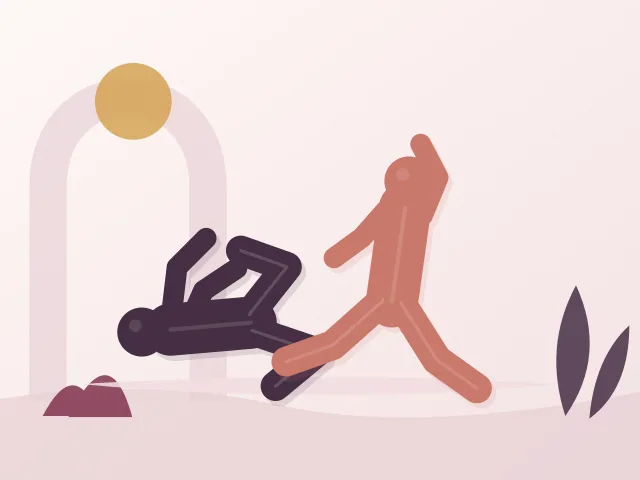
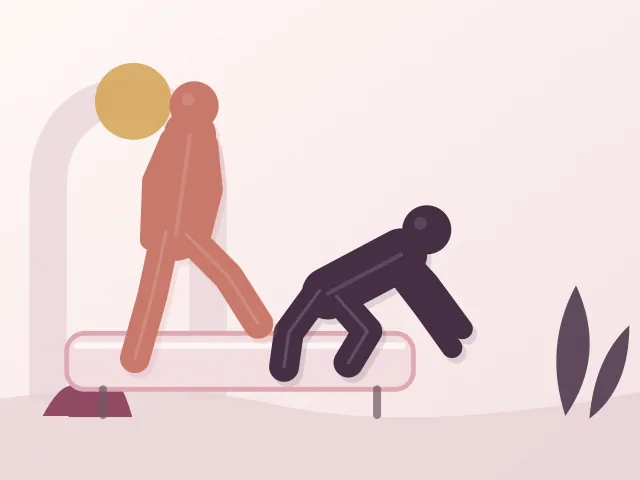
The Butterfly is built around one reclining partner, with an angle that can be adjusted through leg placement. In this guide, “The Butterfly” describes a body arrangement, not a performance target. Body shape, mobility and personal preferences matter more than copying an image exactly.
Step-by-step setup
The reclining partner sets their pelvis and legs first. The other partner then settles while keeping independent support.
- Agree who will guide the pace and choose an immediate stop signal.
- Enter the posture slowly, without jolting or forcing a joint.
- Begin with a small range and adjust only while both partners remain relaxed.
- Use a stable bed edge at a height that works for both partners.
Comfort and communication
Held breath, unusual tension or numbness are cues to slow down, change support or stop. A cushion and a new angle are often more useful than extra effort.
Consent is specific, enthusiastic and reversible at any time. A posture accepted at the start can be stopped without explanation.
- A small pelvic shift changes the angle considerably, so adjust by only a few centimetres at a time.
Adapt and simplify
This posture is generally accessible. Still start with a small range and keep support nearby on the first attempt.
To vary the posture without losing control, change one parameter at a time: direction, height, leg opening or support.
Name and context
“The Butterfly” is used here as a modern editorial label. Names and drawings vary widely between contemporary books; this guide does not claim that this exact form belongs to a canonical Kamasutra passage.
Sources and context
Modern position names vary between publishers. This collection uses descriptive labels and does not claim to reproduce a canonical catalogue from the Sanskrit text.
- World Health Organization — Sexual health
- Planned Parenthood — Sexual consent
- Vātsyāyana, Kamasutra, traduction Wendy Doniger et Sudhir Kakar, Oxford University Press, 2002.