Position 55 / 64
The Cosmos
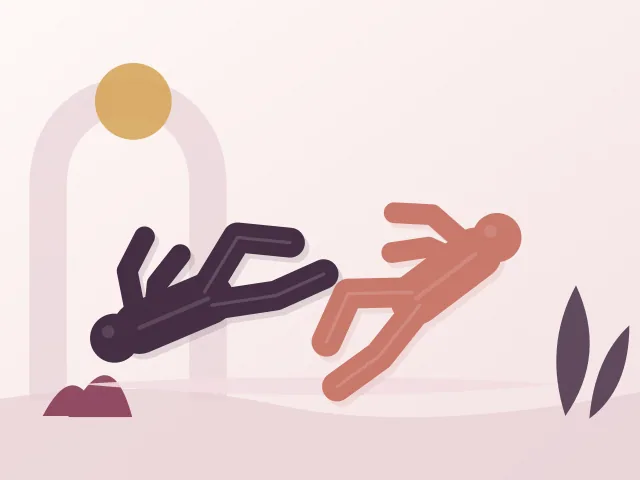
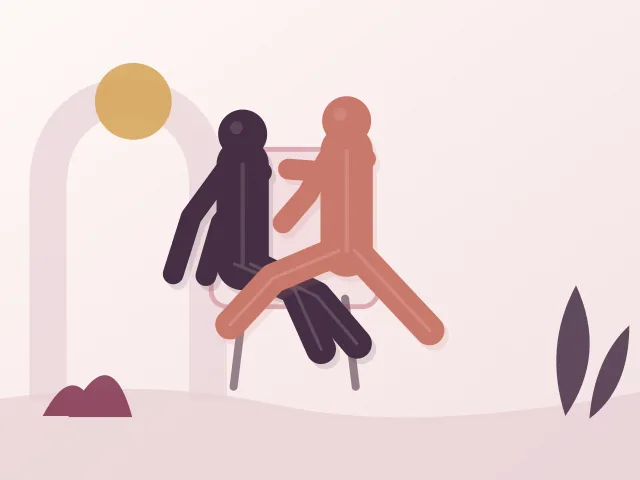
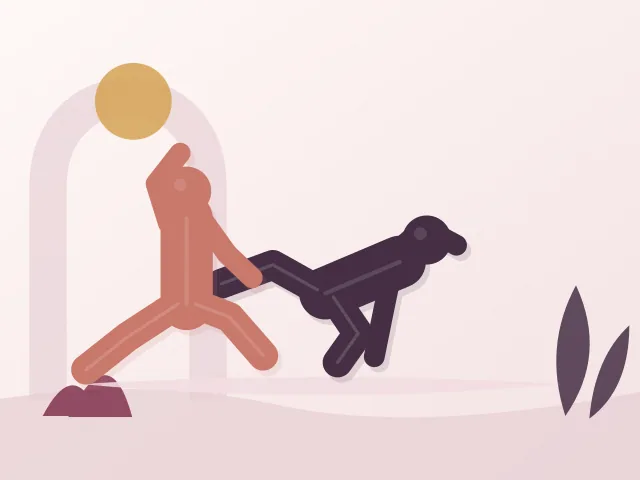
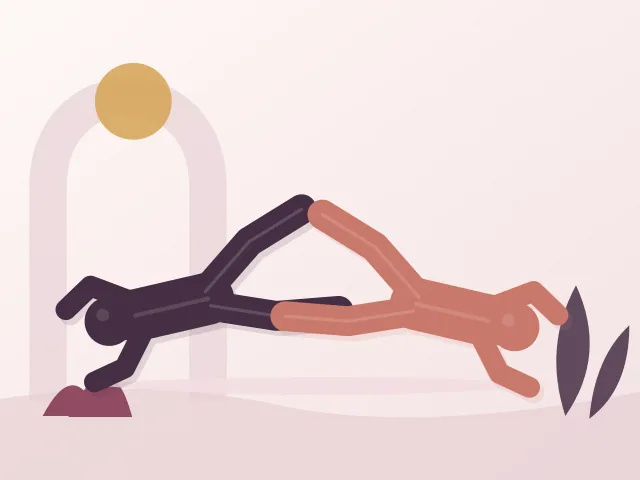
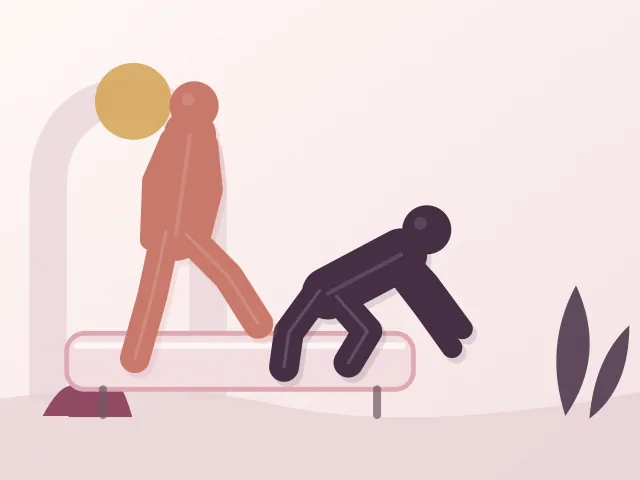
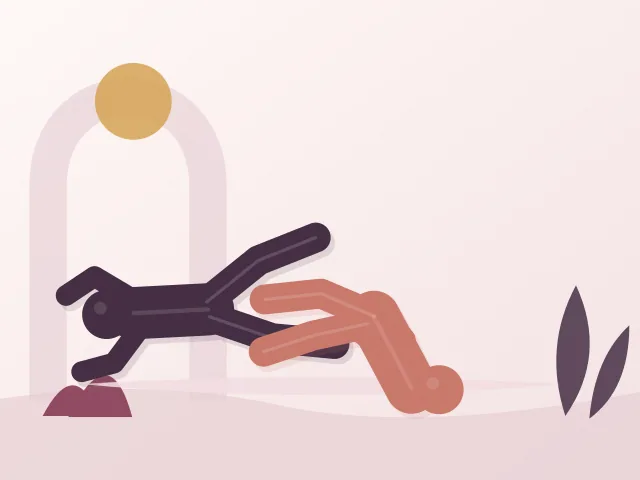
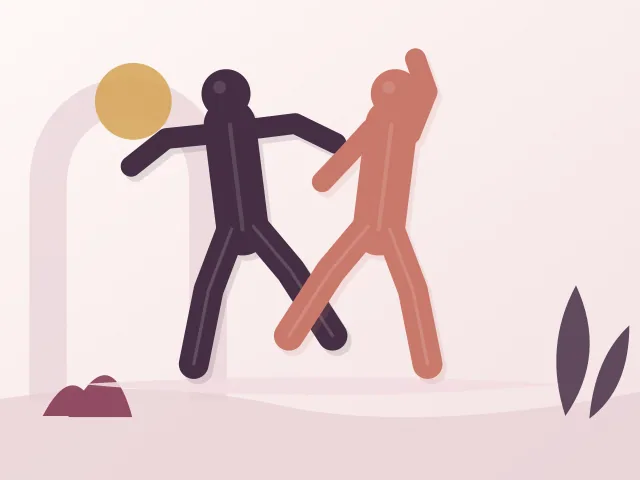
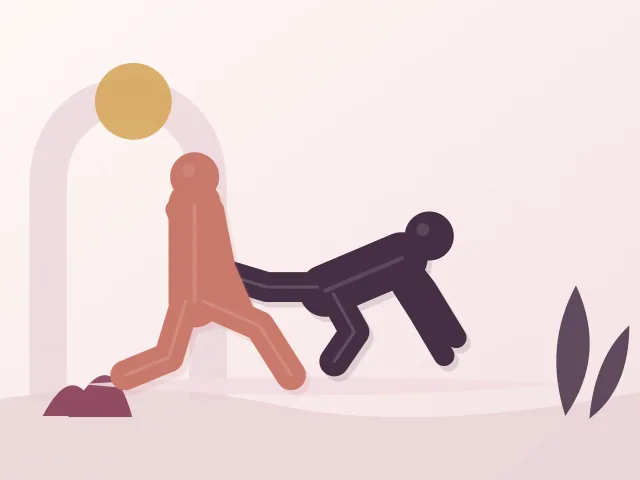
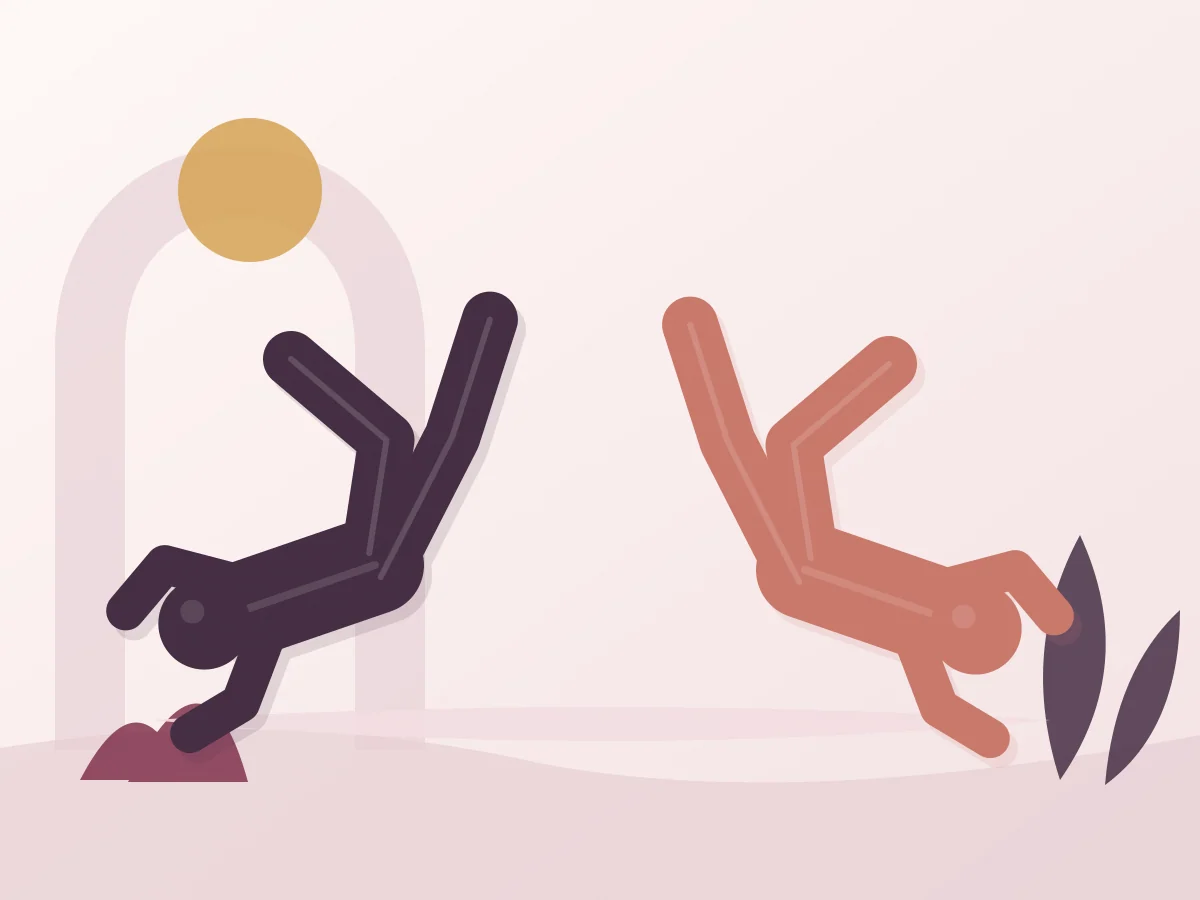
An expansive position where partners embrace the universe with fluid and open movements.
Understanding the posture
The Cosmos is built around one reclining partner, with an angle that can be adjusted through leg placement. In this guide, “The Cosmos” describes a body arrangement, not a performance target. Body shape, mobility and personal preferences matter more than copying an image exactly.
Step-by-step setup
The reclining partner sets their pelvis and legs first. The other partner then settles while keeping independent support.
- Agree who will guide the pace and choose an immediate stop signal.
- Enter the posture slowly, without jolting or forcing a joint.
- Begin with a small range and adjust only while both partners remain relaxed.
- No accessory is required; a firm, comfortable surface is enough.
Comfort and communication
Held breath, unusual tension or numbness are cues to slow down, change support or stop. A cushion and a new angle are often more useful than extra effort.
Consent is specific, enthusiastic and reversible at any time. A posture accepted at the start can be stopped without explanation.
- Clear the area around the legs and keep an easy way out of the posture.
Adapt and simplify
This posture takes some coordination. Begin with its most stable form and add movements one at a time.
To vary the posture without losing control, change one parameter at a time: direction, height, leg opening or support.
Name and context
“The Cosmos” is used here as a modern editorial label. Names and drawings vary widely between contemporary books; this guide does not claim that this exact form belongs to a canonical Kamasutra passage.
Sources and context
Modern position names vary between publishers. This collection uses descriptive labels and does not claim to reproduce a canonical catalogue from the Sanskrit text.
- World Health Organization — Sexual health
- Planned Parenthood — Sexual consent
- Vātsyāyana, Kamasutra, traduction Wendy Doniger et Sudhir Kakar, Oxford University Press, 2002.