Position 10 / 64
The Saw
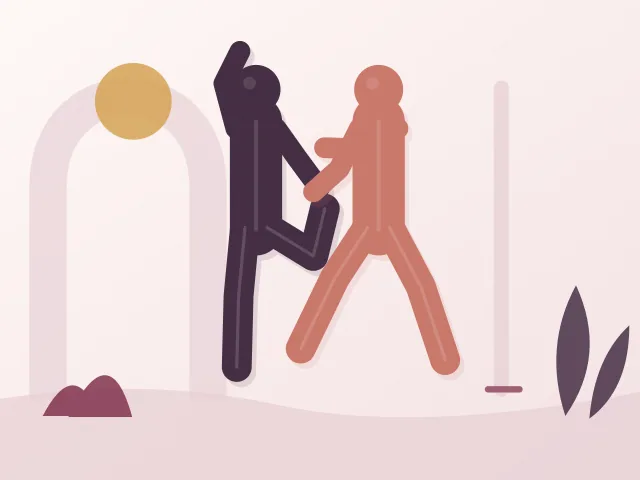
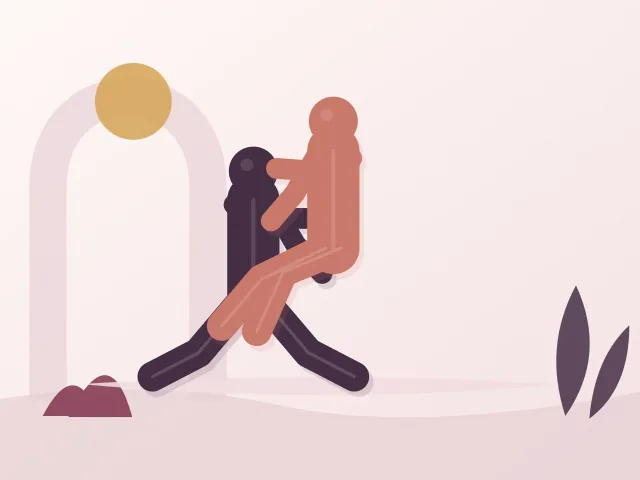
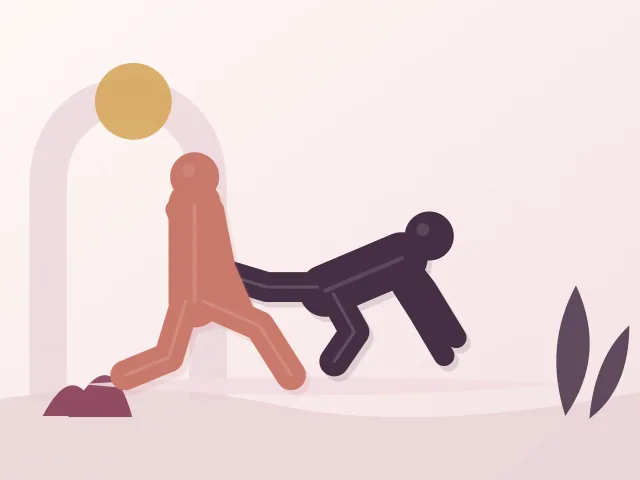
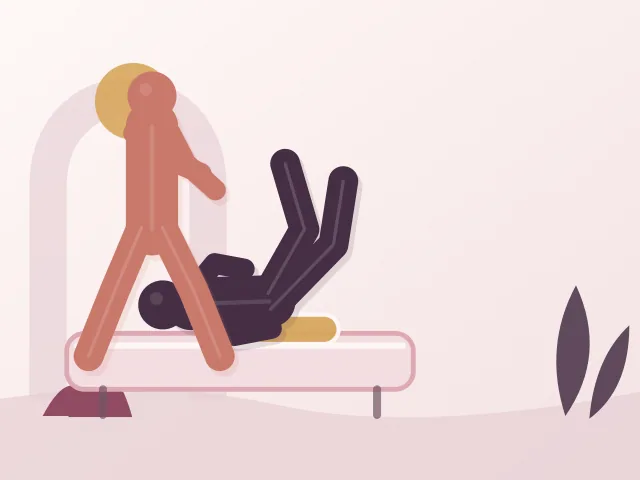
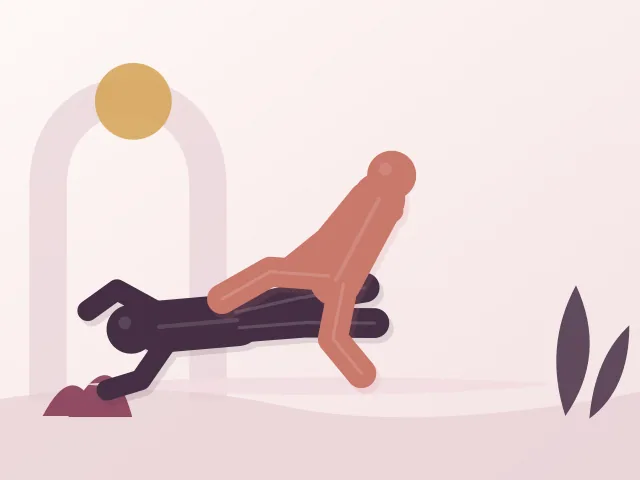
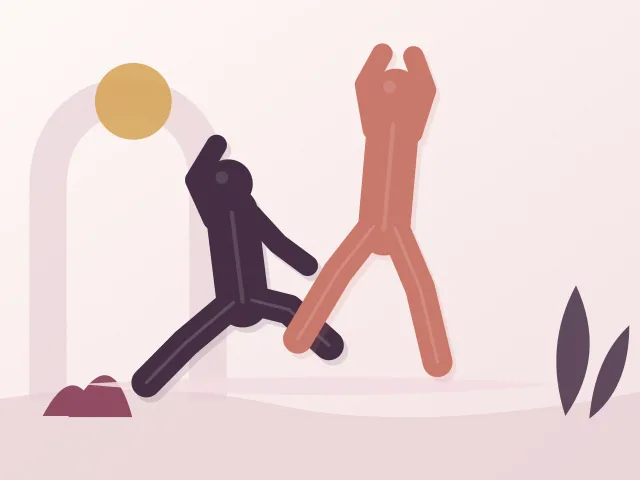
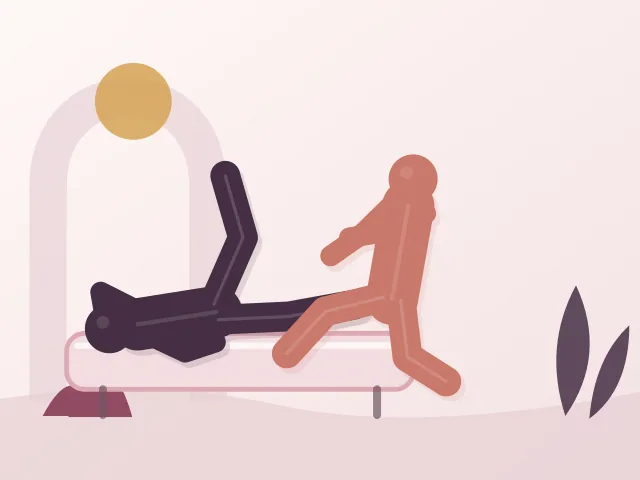
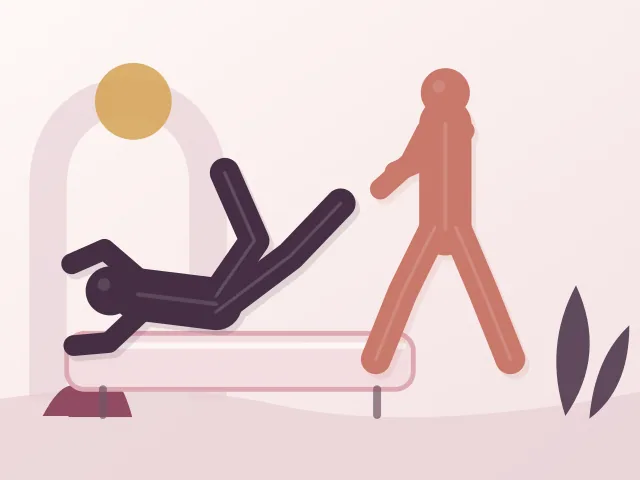
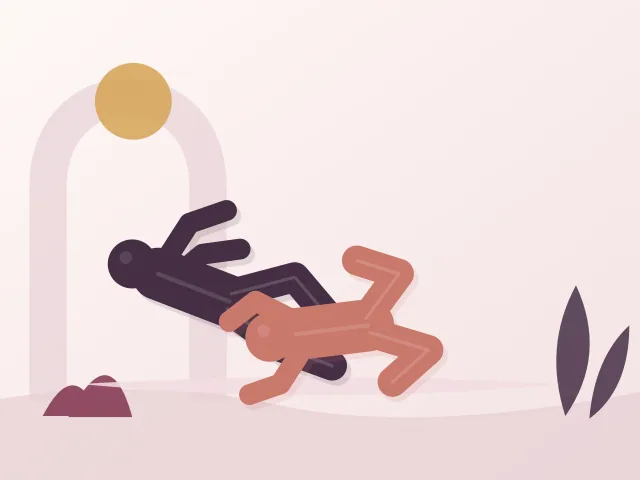
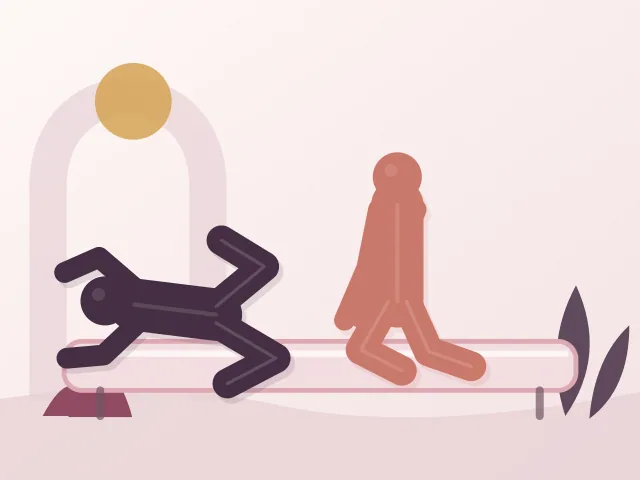
Partners alternate their positions up and down, mimicking the movement of a saw.
The Saw Position: Complete Guide
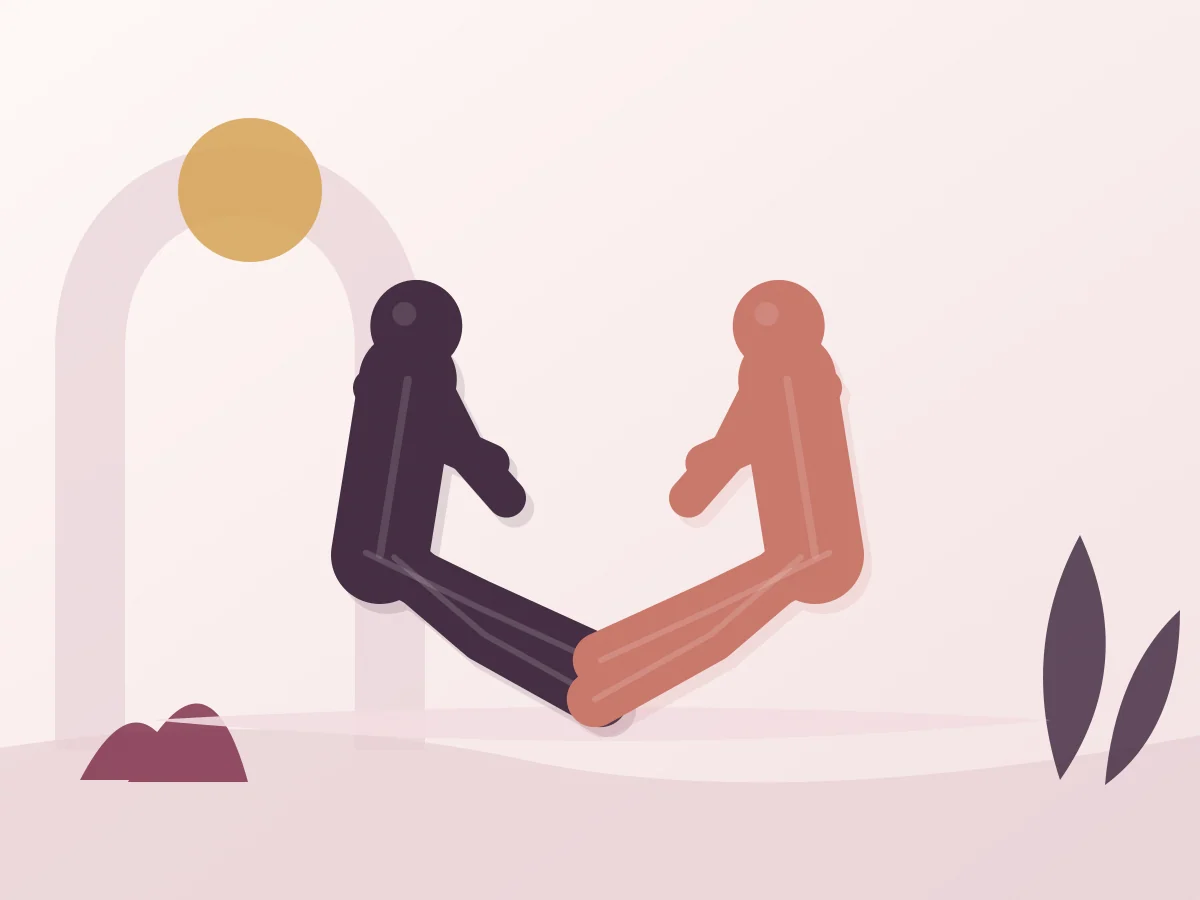
The Saw position is a sexual position from the Kamasutra that emphasizes a horizontal back-and-forth motion, similar to a saw in action. Both partners lie facing each other, legs intertwined, performing a rhythmic sliding movement.
Advantages
- Encourages an intimate connection through eye contact and possible kisses.
- Provides natural clitoral stimulation through friction.
- Allows mutual control over rhythm and intensity.
- Ideal for gentle and sensual movements.
Disadvantages
- Can be difficult to maintain for long periods without adjustments.
- Less suited for deep penetration.
- Requires a certain level of coordination between partners.
Tips for Variation
- Place a pillow under the hips to improve the angle.
- Experiment with slower movements for a more sensual effect.
- Incorporate caresses and whispers to heighten excitement.
History
The Saw position is described in the Kamasutra as a posture that enhances shared pleasure. Inspired by the fluid motion of a saw, it is ideal for those seeking a harmonious and intimate experience.
Understanding the posture
The Saw is a side-lying posture that distributes body weight and usually limits exertion. In this guide, “The Saw” describes a body arrangement, not a performance target. Body shape, mobility and personal preferences matter more than copying an image exactly.
Step-by-step setup
Lie on your sides before bringing the pelvises closer. Align shoulders and hips, then place the legs without twisting a knee.
- Agree who will guide the pace and choose an immediate stop signal.
- Enter the posture slowly, without jolting or forcing a joint.
- Begin with a small range and adjust only while both partners remain relaxed.
- No accessory is required; a firm, comfortable surface is enough.
Comfort and communication
Held breath, unusual tension or numbness are cues to slow down, change support or stop. A cushion and a new angle are often more useful than extra effort.
Consent is specific, enthusiastic and reversible at any time. A posture accepted at the start can be stopped without explanation.
- Use a slow, even pace; coordination matters more than speed.
Adapt and simplify
This posture takes some coordination. Begin with its most stable form and add movements one at a time.
To vary the posture without losing control, change one parameter at a time: direction, height, leg opening or support.
Name and context
“The Saw” is used here as a modern editorial label. Names and drawings vary widely between contemporary books; this guide does not claim that this exact form belongs to a canonical Kamasutra passage.
Sources and context
Modern position names vary between publishers. This collection uses descriptive labels and does not claim to reproduce a canonical catalogue from the Sanskrit text.
- World Health Organization — Sexual health
- Planned Parenthood — Sexual consent
- Vātsyāyana, Kamasutra, traduction Wendy Doniger et Sudhir Kakar, Oxford University Press, 2002.